The Samui Nobody Photographs
Forget escaping the crowds—Samui regulars know the island’s magic lies along its vibrant main beach road. The real secret is knowing the hidden hideaways tucked just beyond the buzz, and here are a few worth discovering.
Words: Sua Pon Naam
Everyone who stays a week on this island believes, by day three, that they have seen it. They have not. They have seen the fifteen-minute radius around the villa gate, dressed up in eleven different filters. The rest of Samui — Chinese shophouses, a mummified monk, a durian farmer who spent forty years carving a hillside garden nobody asked him to build — carries on a few kilometres past the infinity pool, almost entirely unbothered by tourism. Here are seventeen places that even guests who have been coming for a decade tend to miss, because nobody puts them on the welcome-basket map.
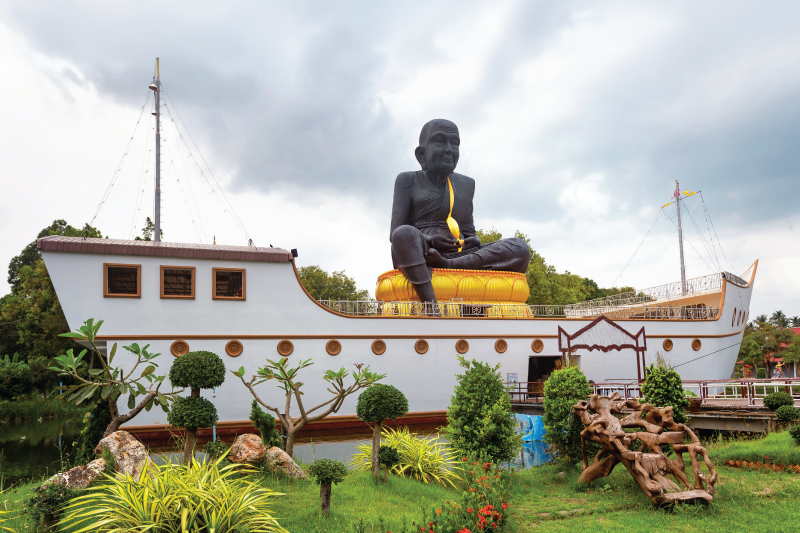
WAT BOPHUTARAM, BOPHUT — on the main road into Fisherman’s Village, close enough that a thousand cars pass it daily, hidden enough that almost none of them stop. Inside sits a coal-black statue of a monk aboard a ship, three storeys tall, that visitors are welcome to climb into. Go at 5pm, when the only other company is locals doing chin-ups on the outdoor gym equipment out front.
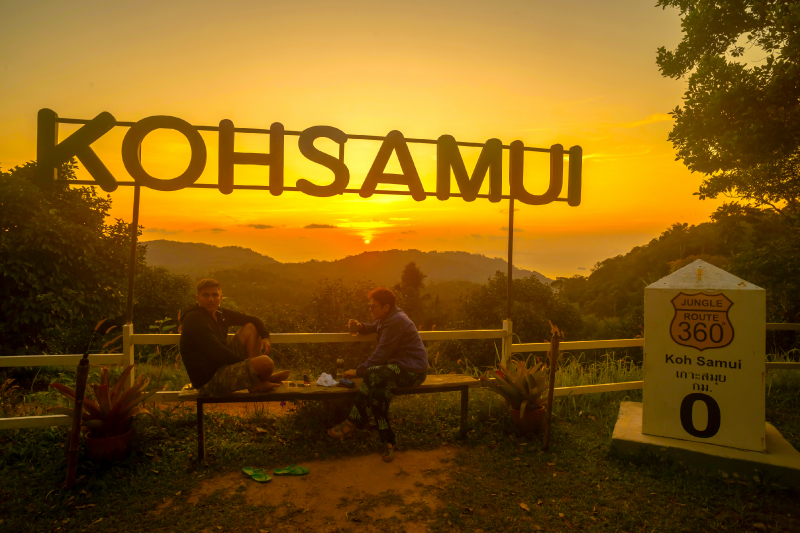
JUNGLE ROUTE 360 — a café built on the island’s second-highest peak by someone who clearly wanted an argument with gravity. Order the iced coffee, sit at the railing, and watch the haze lift off Koh Phangan on a clear morning. The drive up tests the nerves; a ride on a local songtaew truck is kinder to your rental deposit than a scooter is.
Photo: Jiraphol Rikshasuta
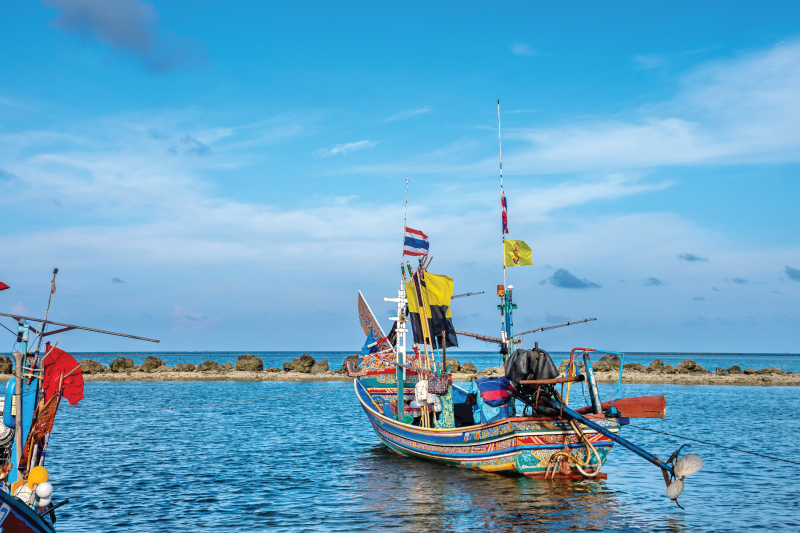
BAN HUA THANON — Samui’s working fishing village and its largest Muslim community, strung along a wooden pier that has never once been renovated for a camera. Nets dry in the sun, hulls get patched, and nobody minds the watching. Arrive at dawn, before the ice trucks show up.
Photo: Jiraphol Rikshasuta
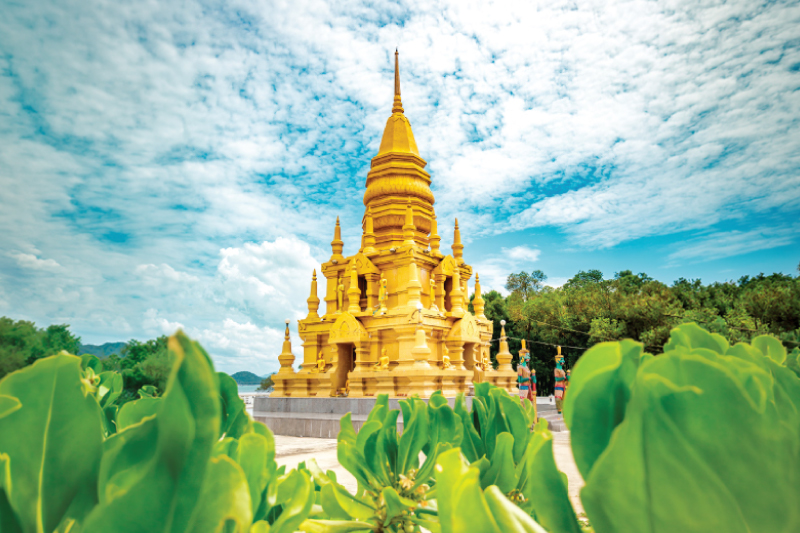
LAEM SOR PAGODA — the island’s southern tip, a gold chedi built directly into the tideline so that at high water it appears to be standing on the sea itself. Almost nobody drives this far south for a temple, which is rather the point of going.
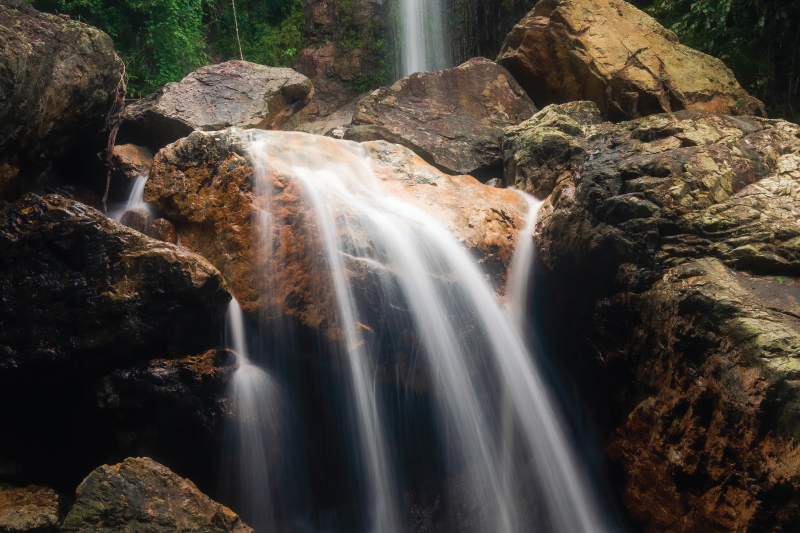
TAN RUA WATERFALL — tucked behind a jungle zipline course, overlooked by visitors who came only for the ropes. Skip the harness if heights are not your idea of a holiday and simply hike in for the water instead.
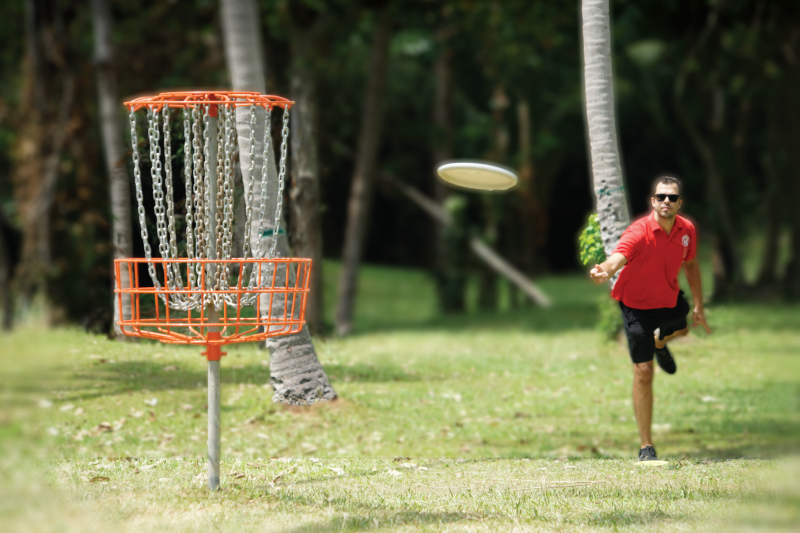
THE LAEM SOR DISC GOLF COURSE — eighteen holes cut into scrubland ten minutes south of Lamai, attached to a café playing classic rock at a volume nobody has complained about yet. Discs rent for a few hundred baht — an afternoon on this island that has nothing to do with a beach.
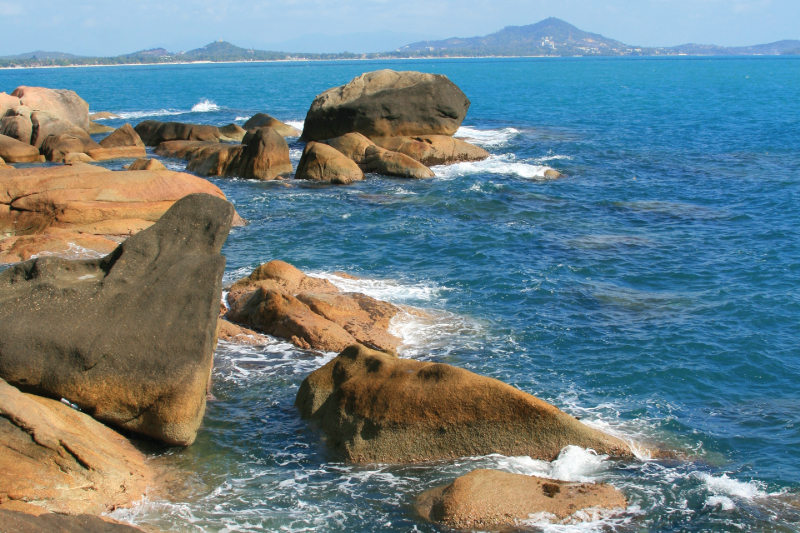
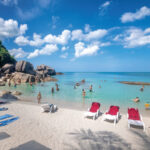
CORAL COVE — a stretch of sand wedged between Chaweng and Lamai that the big resorts somehow never claimed, small enough to fill by ten and empty again by lunch. Snorkel the northern rocks; it is no substitute for the Andaman, but plenty for an unplanned hour.
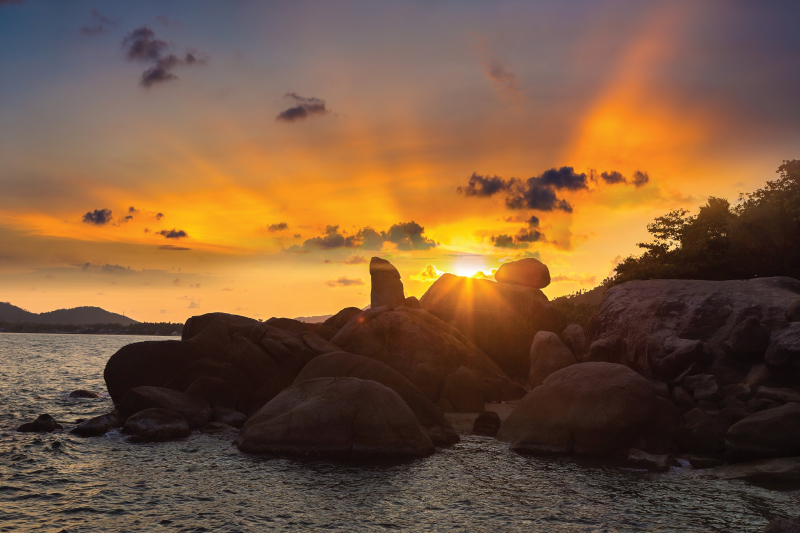
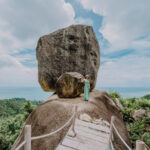
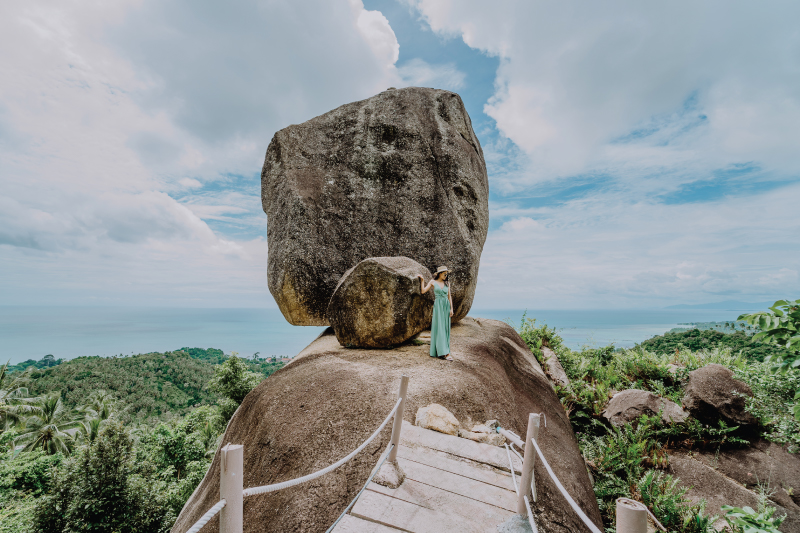
HIN TA AND HIN YAI, BEFORE 8AM — everyone has seen photographs of these two rock formations, nicknamed for reasons no magazine needs to spell out. What nobody photographs is the sunrise version, empty of the day’s first coach parties, when the rocks are simply rocks and the sea has the whole show to itself.
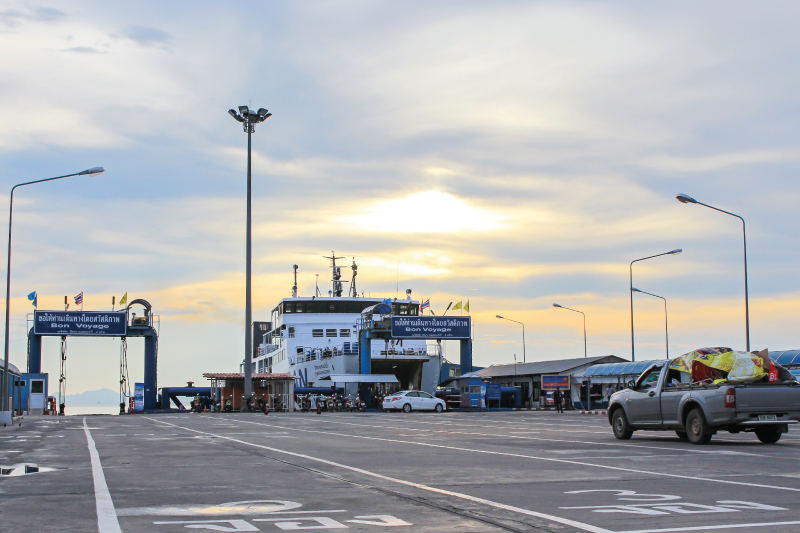
NA THON — the island’s original port town, where mainland ferries still dock and the old shophouses along the front street have barely changed their signage since the 1960s. Wander the market for dried fish and Hokkien noodles, buy nothing you don’t need, and remember Samui was a working island way before it became a resort.