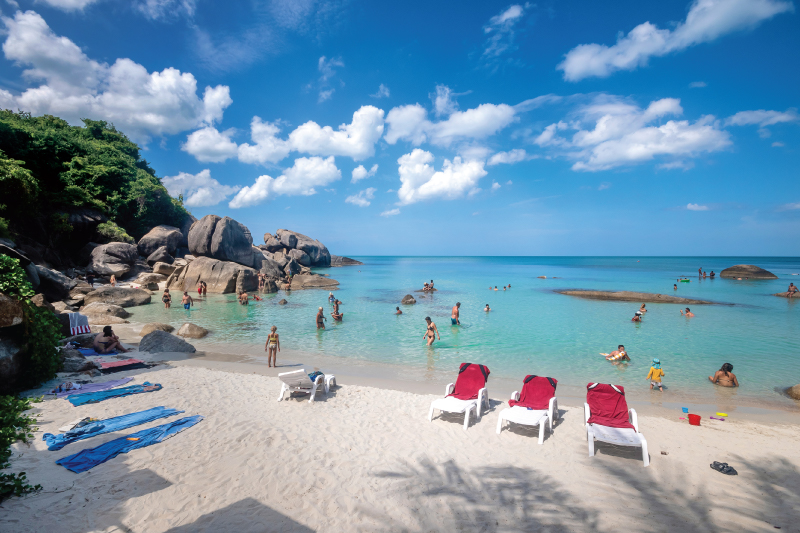
Samui: The island that beat the Maldives and Bali
Samui just topped the region’s most- watched island rankings. But the real story isn’t the trophy — it’s why nobody who visits seems to leave for good.
Words: Mimi Grachangnetara Photos: Jiraphol Rikshasuta
Ask anyone who’s spent a week on Koh Samui why they keep coming back, and you’ll rarely get a straight answer. They’ll mention the light first – that particular gold it takes on over Chaweng around five in the afternoon – and then trail off into something about a beach they found by accident, or a bowl of tom kha (coconut cream and galangal curry soup) they still think about. Nobody says “the infinity pool.” Nobody says “the shopping.” What they’re describing, without quite naming it, is a feeling of being let in on something.
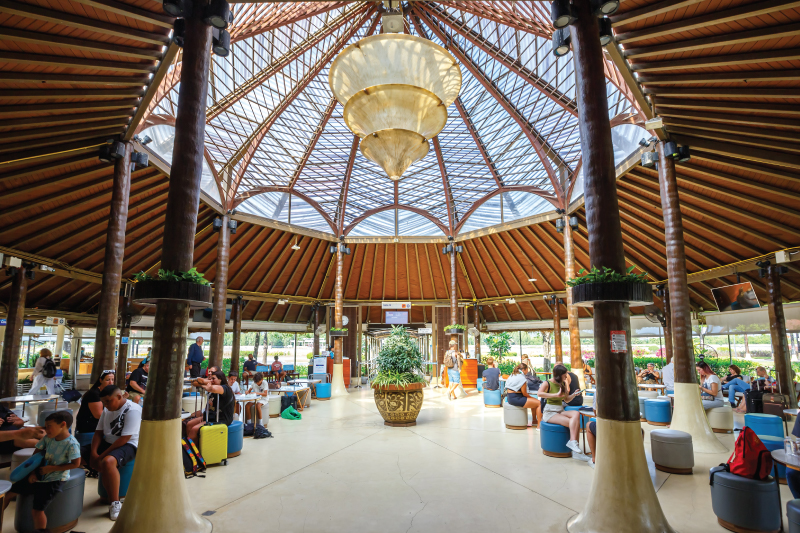
So when Koh Samui was named Best Island in the World at this year’s Travel + Leisure’s World’s Best Awards 2026 – with Samui International Airport ranked the region’s second-best airport, just behind Singapore’s Changi – it landed less like an announcement and more like a confirmation. Longtime visitors had already decided, but the rest of the region is only catching up.
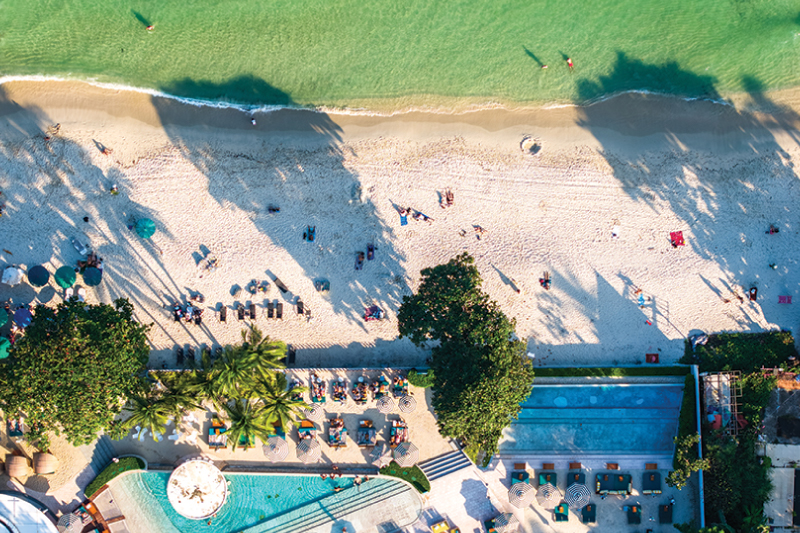
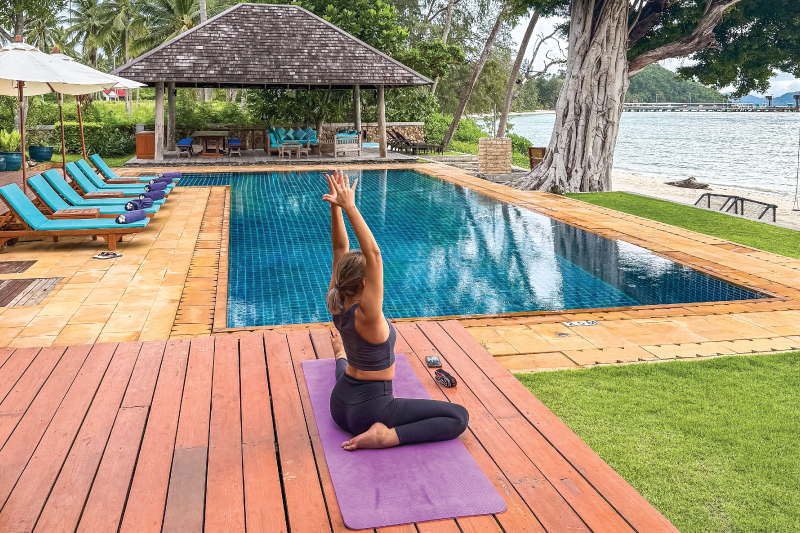
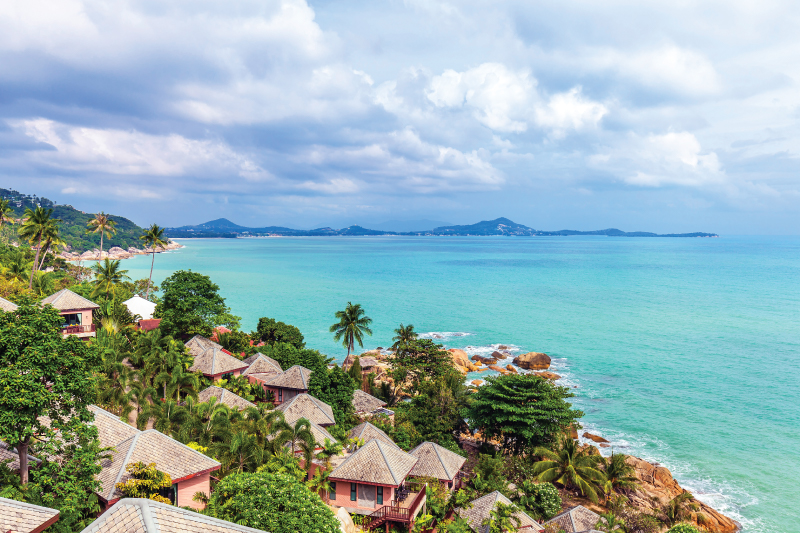
The comparison to destinations such as Greece, the Maldives or Bali is inevitable, and not entirely fair to any of them. Greece built its fame over centuries on whitewashed cliffside villages and a mythology industry that turned Santorini sunsets into shorthand for romance itself. The Maldives, by contrast, became a byword for luxury almost overnight once overwater bungalows gave honeymooners a private slice of ocean to Instagram from bed. Bali built an empire on spiritual tourism and Instagram rice terraces. Samui has taken a quieter route, one built on restraint. What Samui has figured out – and what keeps pulling people back past their first, second, third visit – is a version of understated luxury. Walk into a five-star resort on the island’s southern coast and you won’t find gold leaf or doormen in pith helmets, but you will find polished concrete, reclaimed teak, and a staff member who remembers you take your coffee black by day two. Samui’s hospitality scene has matured past the need to perform wealth. Properties here trade ostentation for something harder to fake: genuine ease. Villas are tucked into hillsides rather than stacked along a strip. Staff-to-guest ratios feel almost domestic. It’s the kind of luxury that assumes you’re already impressed, so it doesn’t bother trying.

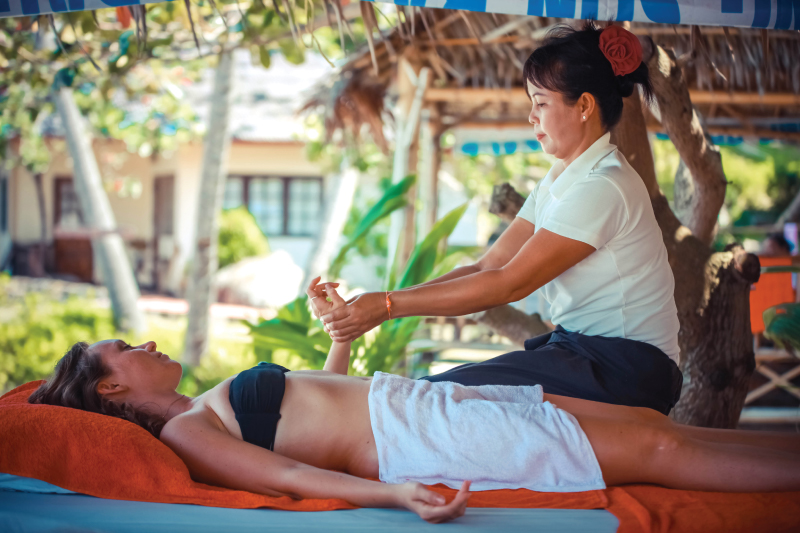
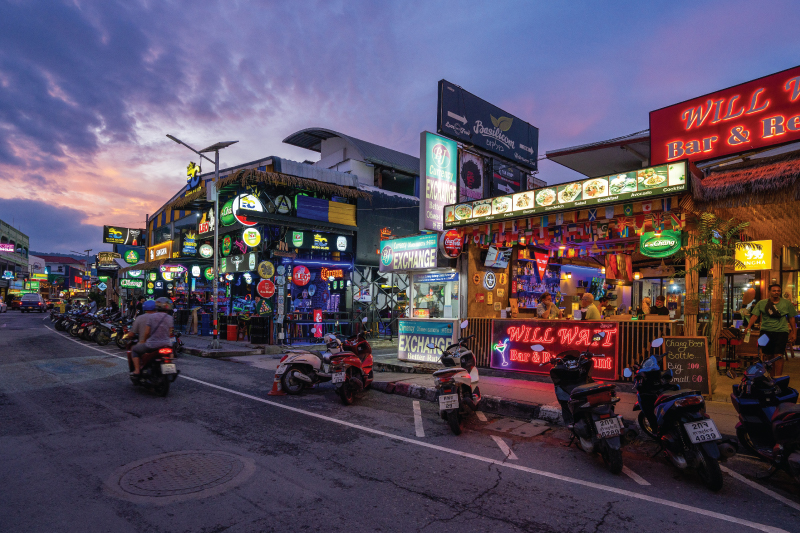
That same restraint shows up in the island’s wellness culture, which was never built for a hashtag in the first place. Muay Thai camps have operated out of Lamai for decades, training tourists and professionals in the same ring at six in the morning. Detox retreats dot the hills above Bophut, offering everything from colonic therapy to sound healing, largely without irony. The difference between Samui and the more curated wellness destinations is that none of it feels imported. The massage therapist who trained in Chaiya-style techniques passed down through generations isn’t performing for a brochure. She’s just very good at her job. And that unhurried confidence bleeds into everything else on the island – there’s an ease to Samui that visitors take a day or two to find, and then can’t quite let go of once they’re home. Mornings move slowly. Markets open early and empty out by ten. Afternoons disappear into naps nobody plans and everybody needs. It isn’t sleepiness – Samui has nightlife, restaurants with waitlists, beach clubs that go until late – but underneath the activity is a permission to do less, taken seriously by locals and eventually adopted by everyone else.
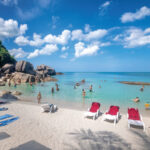
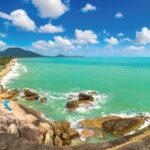
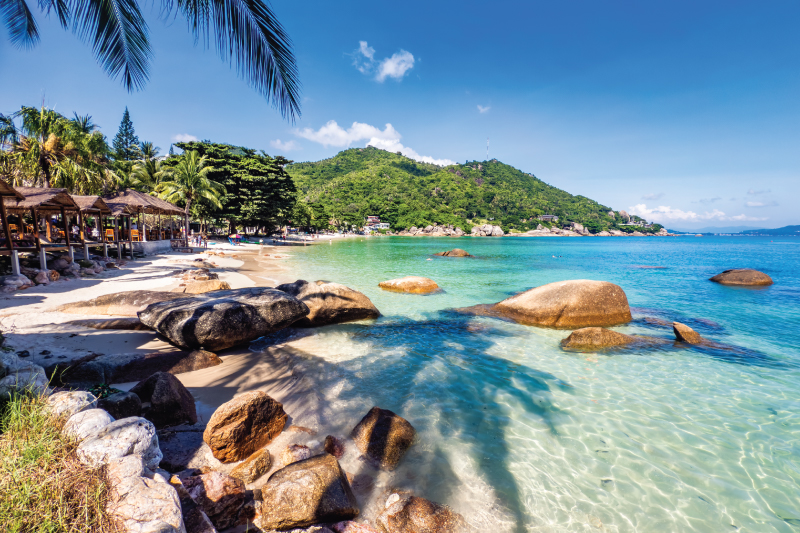
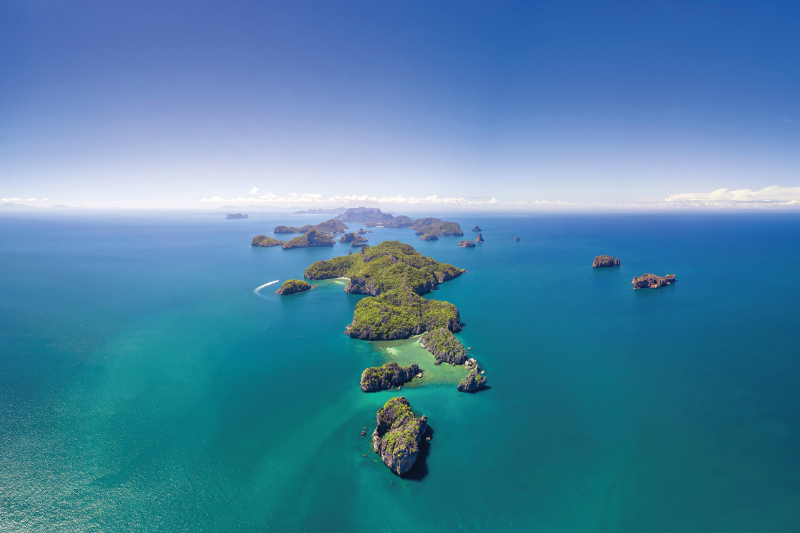
That permission is easiest to feel once you’ve left the main strip behind. Chaweng and Lamai get the crowds and the coverage, understandably, but the island rewards anyone willing to rent a scooter and ignore the map for an afternoon. Hidden coves exist here too, if you know to look south past Taling Ngam or up toward the lesser-visited the northeastern tip near Choeng Mon. Silver Beach, wedged between two headlands near Lamai, holds maybe thirty people on its busiest day. Offshore, Angthong National Marine Park delivers the postcard version of Thailand — limestone karsts, hidden lagoons, water the colour of bottle glass — accessible by a half-day boat trip that somehow still feels undiscovered. Work up an appetite doing it, because Samui’s dining has quietly become one of its most compelling arguments. Beachside seafood shacks grilling the morning’s catch sit a ten-minute drive from tasting menus that would hold their own in Bangkok. The island has absorbed global technique without losing its Thai backbone – expect Isaan (northeastern Thai) flavours reworked with French plating, or a night market stall doing better pad kra pao than most Michelin-adjacent kitchens in the capital. It’s a food scene built by people who live here, cooking for people who eventually decide they want to.
None of it would matter as much if getting there were a chore, but part of Samui’s appeal is how little friction stands between wanting to go and actually being there. Direct flights connect the island to Bangkok and a growing list of regional hubs, landing at an airport now internationally recognised for its design as much as its efficiency – open- air terminals shaded by tropical gardens, a far cry from the fluorescent transit halls elsewhere in the region. For an island, that ease of arrival matters more than most amenities. It’s the difference between a destination and an ordeal with a beach at the end of it.
Plenty of islands are beautiful once. Samui has built something rarer: a reason to come back with different intentions each time. The honeymooners who return five years later with a toddler. The solo traveller who came for a week and found themselves booking a month. The businessperson who meant to spend two nights and stayed for ten. Samui doesn’t ask visitors to fall in love with it immediately, but to stay long enough to notice they already have.
Five Reasons People Extend Their Stay
- The pace recalibrates you. Most visitors arrive on a mainland schedule and leave on island time — and resist going back.
- There’s always one more beach. The coastline rewards exploration long after the “must-see” list is checked off.
- The food never repeats itself. Between beach shacks, night markets, and fine dining, a week barely scratches the surface.
- Wellness here isn’t a package deal. Muay Thai, traditional massage, and retreat culture run deep enough to become a habit, not a treatment.
- Leaving feels premature. Samui has a way of making a week feel like the beginning of something rather than a complete trip.