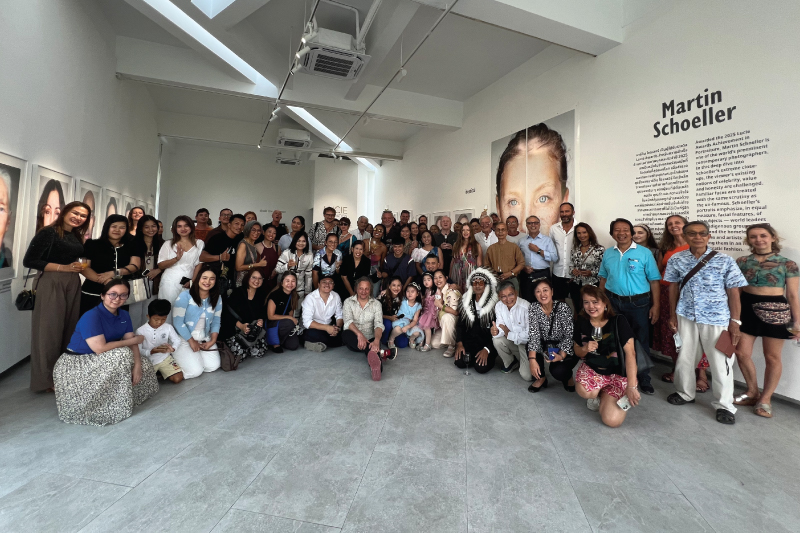
A HOUSE BUILT ON LIGHT
In the south of Koh Samui, the House of Lucie and the Samui Art Centre are redefining what a cultural stop on a tropical holiday can be—inviting visitors to pause, look closer, and perhaps see the island, and themselves, a little differently.
Words: Bella Luna
The name “Lucie” comes from the Latin lux, meaning light—a fitting foundation for a space devoted to photography. Behind the project is Hossein Farmani, founder of the Lucie Foundation, and his partner Apple Farmani, a former lawyer now shaping the gallery’s direction.
The idea grew from the couple’s belief that great photography should be accessible. For years, world-class work was largely confined to exclusive events like the Lucie Awards in cities such as New York. The House of Lucie set out to change that. Entry is free, emerging artists exhibit alongside established names, and the space removes barriers between creator and audience—offering an open invitation to experience visual storytelling.
At first glance, Samui might seem an unlikely home for an international photography hub. Yet that was precisely the intention. After establishing galleries in major cultural centres, the focus shifted to places where art is less accessible but potentially more impactful. Samui already had a quiet creative pulse—local initiatives, art camps, growing cultural interest—but lacked a central, international- standard venue.
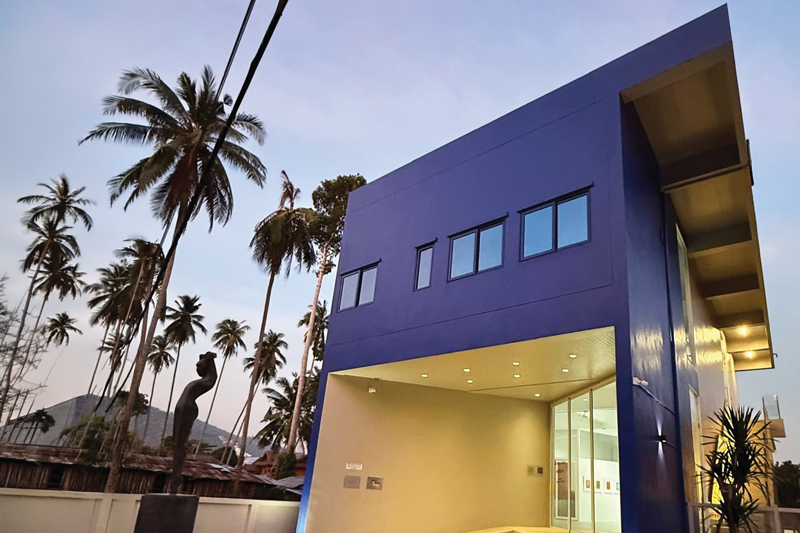
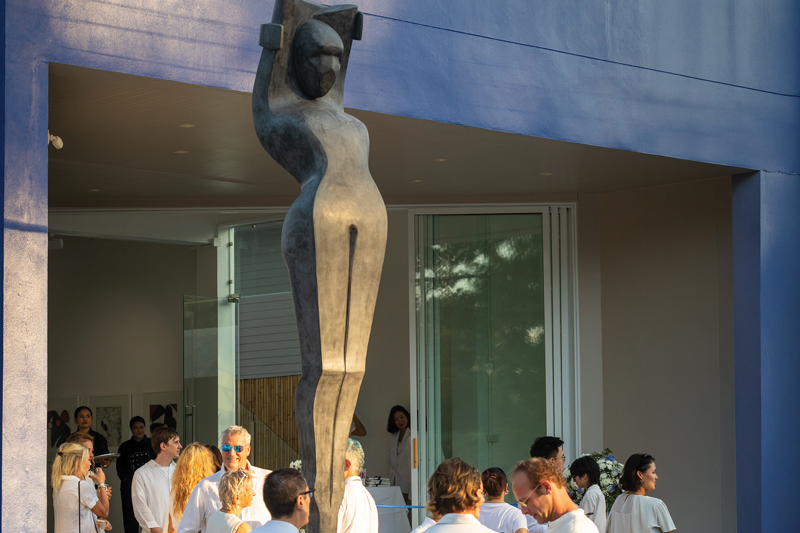
What began as a modest village house has since evolved into one of the largest House of Lucie locations worldwide: a three-floor centre hosting exhibitions, workshops, and community events amid lush tropical surroundings.
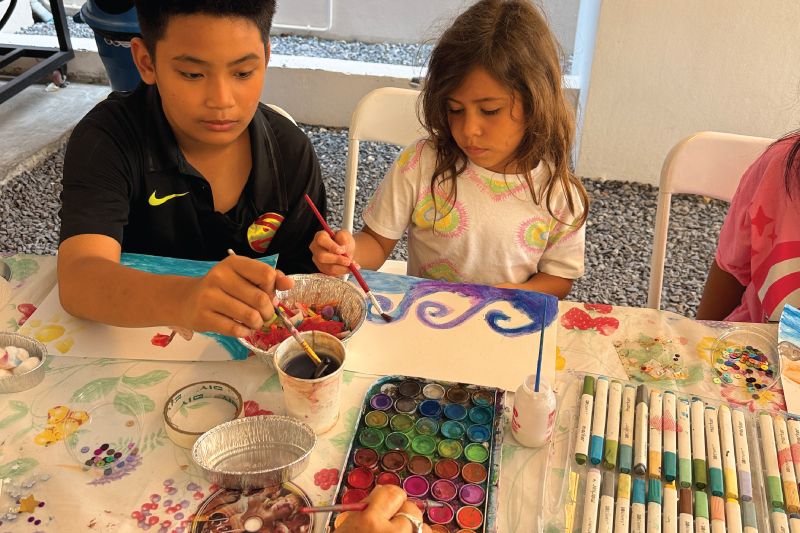
A defining feature of the space is its approach to curation. Without a traditional art background, Apple selects work based on emotional resonance rather than reputation. The goal is connection, not intimidation. Visitors can expect to see exhibitions that blend photography with ceramics, printmaking, performance, and sound, while workshops—from Japanese wabi-sabi ceramics to hands-on printmaking—emphasise experience as much as observation.
While the House of Lucie has done exhibitions for globally renowned photographers such as James Nachtwey and Steve McCurry, Southeast Asian photographers are also gaining global recognition, and by placing regional artists alongside international names, the House of Lucie creates a dialogue between perspectives. Projects like “Faces of Samui” capture the island through its people—fishermen, vendors, and their families.
Behind the scenes, the balance between structure and creativity shapes the gallery’s vibe. Apple’s legal background brings discipline to timelines and planning, while artists bring fluidity. The combination has helped build a space that feels both professional and personal.
In an increasingly digital world, the value of physical galleries cannot be denied. Scale, texture, and presence cannot be replicated on a screen, and the space enables shared experiences— workshops, conversations, spontaneous encounters—that make art something lived rather than simply viewed.
Looking ahead, the gallery’s founders see Samui as an emerging cultural hub for Southeast Asia, with plans to expand community initiatives, establish permanent collections, and develop projects that reflect the island’s evolving identity.
For travellers, this space offers a chance to experience the island beyond the surface of a tropical escape. With world-class art now part of Samui’s landscape, The House of Lucie feels as though it has always belonged on this island, quietly redefining what the island can be and continuing to inspire what it can become.