EVERY DAY IS EARTH DAY
This World Environment Day, Samui offers a reminder of the importance of preserving the natural beauty, marine life and tropical landscapes that continue to inspire travellers from around the world.
Words: Sky Fitzgerald
World Environment Day arrives on June 5th with urgency and ceremony. It’s a reminder written into the global calendar, even though it’s hard to forget that Earth doesn’t live in dates. It doesn’t mark time in years or observances. It exists in cycles—of tides, migrations, growth, decay, renewal. And if we are to truly understand the scale of what is at stake, we must learn to think the same way. Not in days of recognition, but in habits of care.
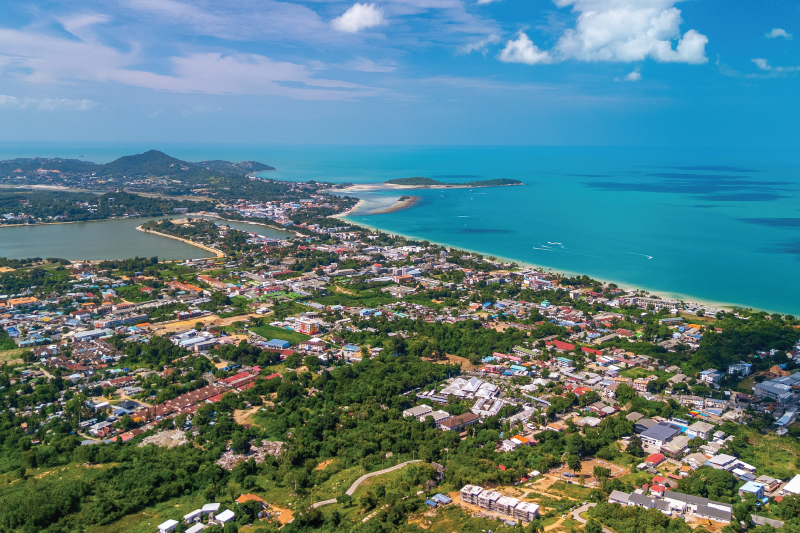
On Samui island, this truth is impossible to ignore. For here, the environment is not an abstract concept but something more concrete. It is the reef just metres offshore, where parrotfish graze coral and keep ecosystems in balance. It is the rainforest canopy inland, where hornbills glide between ancient trees that have stood longer than any human memory. It is the delicate seam where land and sea meet—where mangroves filter water, protect coastlines, and nurture young marine life.
To walk along Samui’s beaches is to step into a system that has taken millennia to build and only moments to disrupt.
And disruption is no longer a distant threat. Across the globe, the signs are unmistakable. Oceans are warming, absorbing heat that alters currents and bleaches coral reefs. Forests are shrinking, their loss echoing not only in the disappearance of species but in the destabilisation of climate systems that sustain human life. Plastic—once a symbol of convenience—now drifts through even the most remote waters, breaking down into particles that enter food chains and, eventually, our own bodies. These are not isolated crises but interconnected threads in a single, intricate web.
Yet there is another truth, equally powerful: the same interconnectedness that makes the planet fragile also makes it resilient—if given the chance.
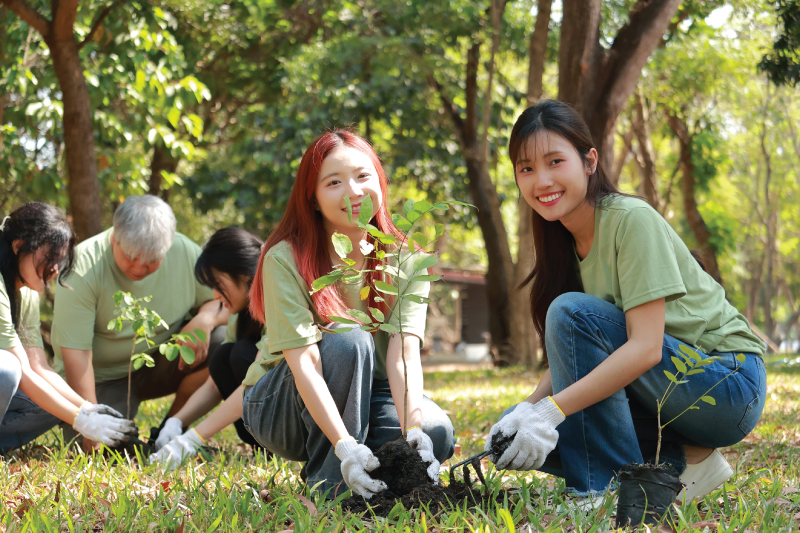
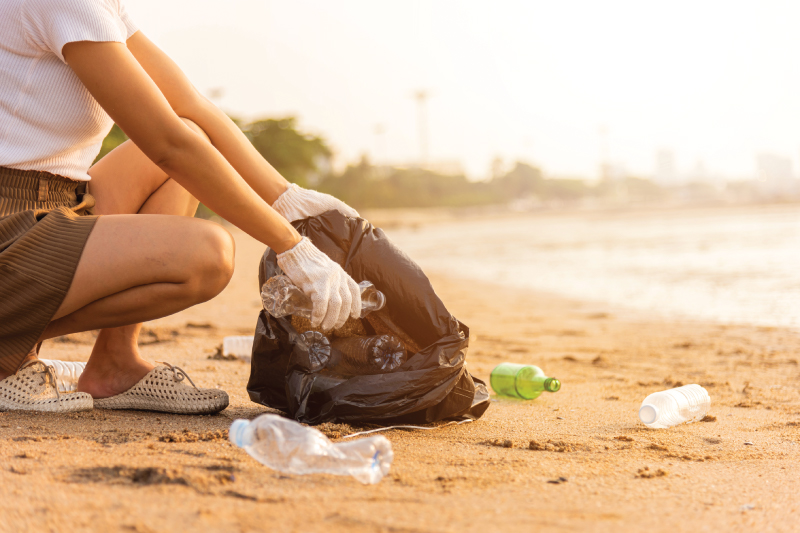
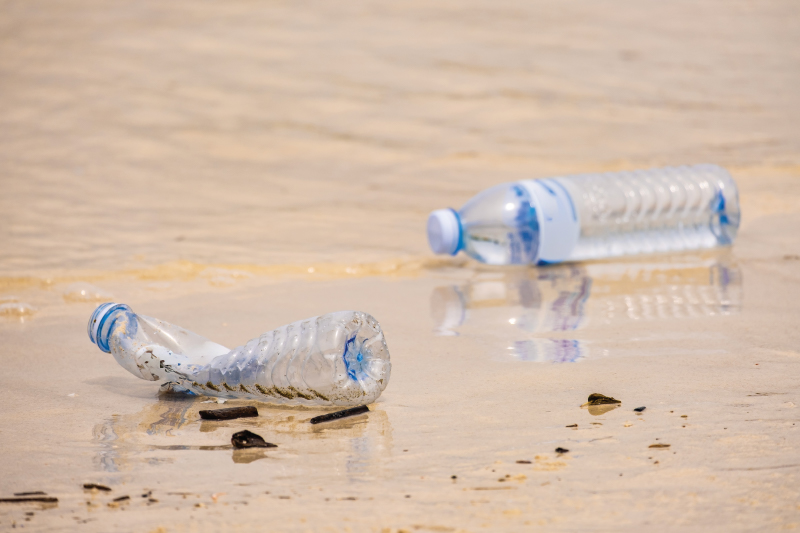
Travel, especially, offers a unique opportunity. To step into a place like Samui is to witness firsthand the beauty we stand to lose—and the responsibility we share in protecting it. The choices made here ripple outward. A plastic bottle avoided is one less fragment in the ocean. A coral reef respected is one more chance for marine life to thrive. A forest preserved is one more reservoir of biodiversity and climate stability.
But beyond individual actions lies something deeper: a shift in perspective.
For too long, humanity has viewed nature as something separate—something to visit, to use, to admire from a distance. But the reality is far more intimate. The oxygen in every breath, the water in every glass, the food on every plate—all are products of the Earth’s systems working in delicate balance.
World Environment Day, then, is not merely a call to action, but an invitation to reconnect with the living world in a way that feels immediate and personal. It is a reminder that protecting the planet is not about grand gestures alone, but about the quiet accumulation of mindful choices.
On Samui, that might mean walking
instead of driving along the shore at sunset, or choosing experiences that support conservation rather than exploitation. It might mean pausing, even briefly, to notice the intricate patterns of a seashell, the movement of fish beneath the surface, the sound of wind moving through palm leaves.
These moments matter. Not because they solve environmental challenges outright, but because they change how we see, and how we see shapes how we act.
There is a tendency, in conversations about the environment, to focus on loss— on what is disappearing, what is at risk, what may soon be gone. These realities are important. They demand attention. But they are not the whole story, because there is also wonder.
The same oceans that are under threat still pulse with life, supporting ecosystems more diverse than any on land. Forests, even when fragmented, continue to shelter species yet to be discovered. Nature, even in its most fragile state, retains an extraordinary capacity for renewal. So the task before us is not simply to prevent destruction, but to protect and nurture this capacity, and to give the planet real space to heal.
So let World Environment Day be a starting point that extends into every day that follows. Let it be reflected in the way we travel, the way we consume, the way we move through the world, because the Earth does not need our admiration alone. It needs our participation.
And perhaps, if we listen closely to the tide, to the forest, to the quiet rhythms
of places like Samui—we will remember something essential: This planet is not just where we live. It is what we are part of, and it is worth protecting—every single day.